Introduction
In today's digital age, trust is one of the most valuable assets. From online banking to supply chain management, organizations constantly seek secure, transparent, and efficient ways to manage data and transactions. Blockchain technology has emerged as a groundbreaking solution that addresses these challenges by creating a decentralized, tamper-resistant system for recording information.
Although blockchain is widely recognized as the technology behind cryptocurrencies like Bitcoin, its potential extends far beyond digital currencies. Industries including healthcare, finance, logistics, education, and government are exploring blockchain to improve security, reduce costs, and streamline operations.
This article explains what blockchain is, how it works, its key features, applications, benefits, challenges, and its future impact on society.
What is Blockchain?
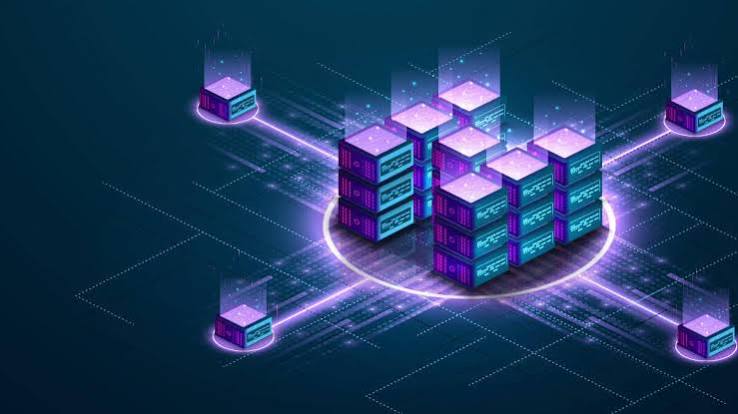
Blockchain is a distributed digital ledger that records transactions or data across a network of computers. Instead of storing information in a single central database, blockchain distributes copies of the ledger among multiple participants. Every new record is grouped into a "block," which is linked to previous blocks using cryptographic techniques, forming a secure chain of information.
Because every participant has access to the same ledger, blockchain provides transparency while making unauthorized changes extremely difficult.
How Does Blockchain Work?
Blockchain follows a structured process to ensure data integrity and security:
A user initiates a transaction or submits new data.
The transaction is broadcast to the blockchain network.
Network participants verify the transaction using predefined rules or consensus mechanisms.
Verified transactions are grouped into a new block.
The block is cryptographically linked to the previous block.
The updated blockchain is distributed across the network, where every participant receives the latest version.
Once data is added to the blockchain, modifying or deleting it becomes extremely difficult because every copy of the ledger must remain consistent.
Key Components of Blockchain
Blocks
A block contains a collection of verified transactions along with important information such as:
Transaction data
Timestamp
Cryptographic hash
Previous block's hash
Nodes
Nodes are computers connected to the blockchain network. They store copies of the blockchain, validate transactions, and help maintain the network's security and reliability.
Consensus Mechanisms
Consensus mechanisms ensure that all participants agree on the validity of transactions before they are added to the blockchain. Popular consensus methods include:
Proof of Work (PoW)
Proof of Stake (PoS)
Delegated Proof of Stake (DPoS)
Proof of Authority (PoA)
Each method balances security, energy consumption, and transaction speed differently.
Cryptographic Hashing
Blockchain uses cryptographic hash functions to create unique digital fingerprints for blocks. Even a tiny change in the stored data produces a completely different hash, making unauthorized modifications easy to detect.
Types of Blockchain
Public Blockchain
Public blockchains are open to everyone. Anyone can join the network, verify transactions, and participate in maintaining the blockchain. Bitcoin and Ethereum are examples of public blockchains.
Private Blockchain
Private blockchains restrict participation to authorized users. They are commonly used by businesses that require greater control over data access.
Consortium Blockchain
A consortium blockchain is managed by multiple organizations rather than a single entity. It provides a balance between decentralization and organizational control.
Hybrid Blockchain
Hybrid blockchains combine features of both public and private blockchains, allowing organizations to decide which information remains public and which remains confidential.
Advantages of Blockchain
Enhanced Security
Blockchain uses advanced cryptography and decentralized storage, making it highly resistant to hacking and unauthorized modifications.
Transparency
Every participant has access to the same ledger, increasing accountability and reducing the risk of fraud.
Data Integrity
Once information is recorded, it cannot easily be altered, ensuring accurate and trustworthy records.
Reduced Costs
Blockchain reduces dependence on intermediaries, lowering transaction fees and administrative costs.
Improved Efficiency
Automated verification and smart contracts speed up processes that traditionally require manual approval.
Better Traceability
Blockchain creates a permanent history of transactions, making it easier to track products, documents, and digital assets throughout their lifecycle.
Real-World Applications
Financial Services
Banks and financial institutions use blockchain for secure payments, international money transfers, fraud prevention, and digital asset management.
Supply Chain Management
Businesses can monitor products from manufacturing to delivery, ensuring authenticity and improving inventory management.
Healthcare
Blockchain helps securely store patient records while allowing authorized healthcare providers to access accurate medical histories.
Education
Educational institutions can issue tamper-proof digital certificates and academic records that employers can verify instantly.
Voting Systems
Blockchain-based voting systems can improve election transparency while reducing the risk of vote manipulation.
Real Estate
Property ownership records, contracts, and transactions can be securely managed using blockchain technology.
Smart Contracts
One of blockchain's most innovative features is the smart contract. A smart contract is a self-executing digital agreement that automatically performs predefined actions when specific conditions are met.
For example, in an online purchase, payment can be automatically released once delivery is confirmed, eliminating the need for a third-party intermediary.
Benefits of smart contracts include:
Faster execution
Reduced paperwork
Lower operational costs
Increased accuracy
Greater transparency
Challenges of Blockchain
Despite its advantages, blockchain technology still faces several obstacles.
Scalability
Many blockchain networks struggle to process large numbers of transactions quickly compared to traditional payment systems.
Energy Consumption
Some blockchain networks, particularly those using Proof of Work, require significant computing power and electricity.
Regulatory Issues
Governments worldwide continue developing legal frameworks for blockchain-based applications and digital assets.
Technical Complexity
Developing and maintaining blockchain systems requires specialized technical expertise.
Storage Requirements
As blockchain networks grow, storing the complete ledger requires increasing amounts of disk space.
The Future of Blockchain
Blockchain technology is expected to become increasingly integrated into everyday digital infrastructure. Future developments may include:
Secure digital identity systems
Cross-border digital payments
Transparent government services
Internet of Things (IoT) integration
Decentralized cloud storage
Digital ownership of physical assets
Faster global trade and logistics
As organizations continue investing in blockchain research and development, new use cases are expected to emerge across virtually every industry.
Conclusion
Blockchain is much more than the technology behind cryptocurrencies. It represents a new way of storing, verifying, and sharing information without relying on centralized authorities. Through decentralization, cryptographic security, transparency, and automation, blockchain has the potential to transform industries ranging from finance and healthcare to education and supply chain management.
While challenges such as scalability, regulation, and energy efficiency remain, ongoing innovation is rapidly improving blockchain platforms. As adoption continues to grow, blockchain is likely to become a foundational technology that supports the next generation of secure and transparent digital services.